

Mold Inspection & Testing
When a musty smell or recurring dampness leaves you questioning your indoor space, mold inspection and testing can help clarify your concerns.
- ✓ Serving Orange County, Aliso Viejo, Anaheim and 32 more areas
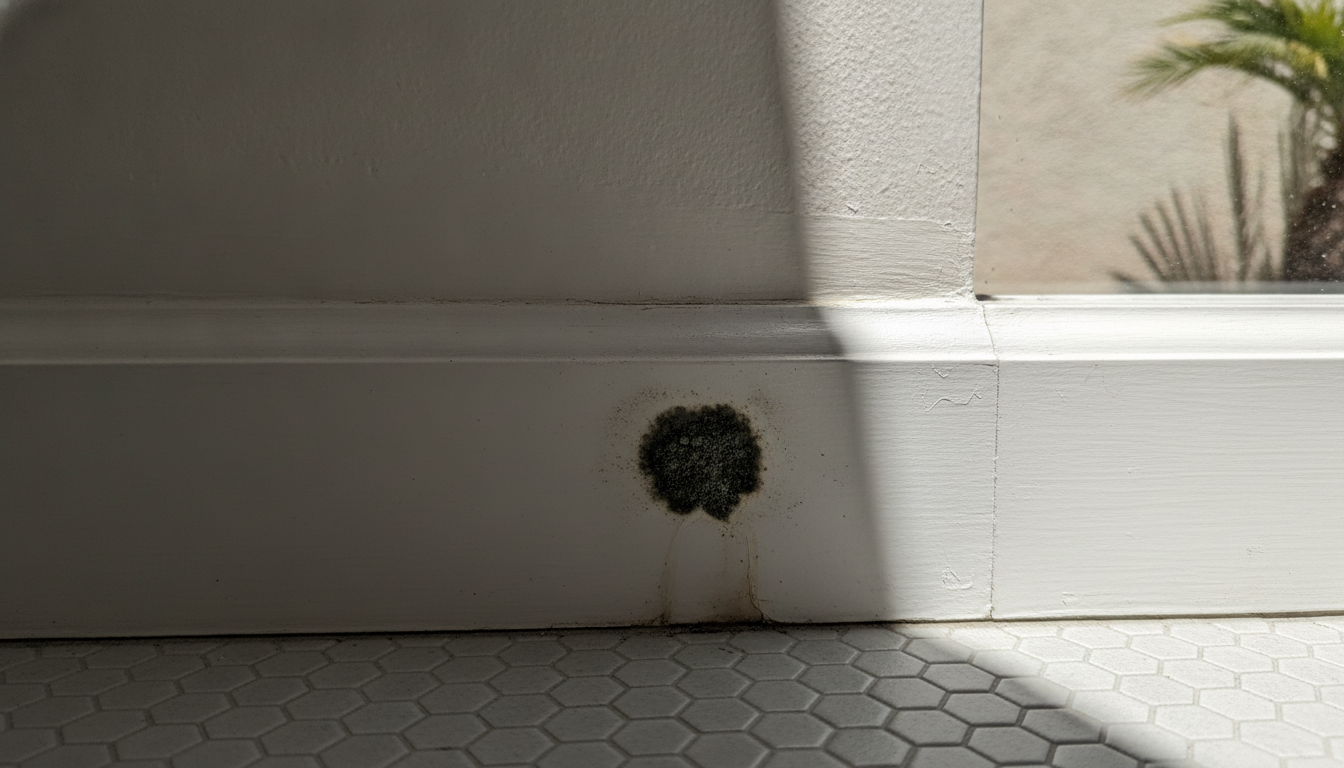
Visible growth is not the only reason to investigate
An unfamiliar odor, discoloration, or a history of water intrusion can raise questions about mold. These signs do not establish the extent of a problem on their own. A stain may have more than one explanation, and an odor does not identify its source.
Mold inspection and testing are relevant when you want to move beyond assumptions about a space. Whether you own, occupy, or manage a property, the starting point is the same: identify the concern you want investigated and explain where and when you have noticed it.
Inspection and testing answer different questions
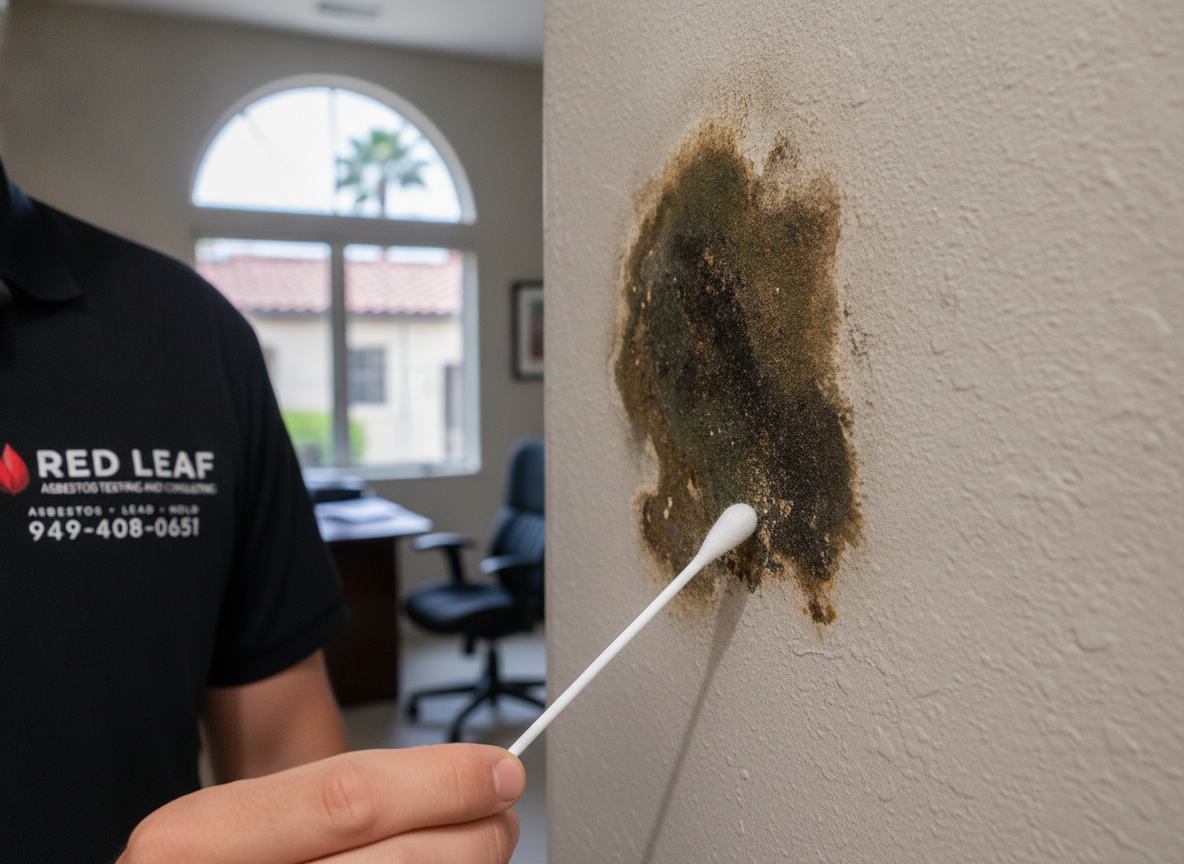
Inspection generally considers visible conditions and the circumstances surrounding a concern. Testing examines collected samples to answer a more specific question. The two are related, but they are not interchangeable: a sample cannot describe every condition throughout a property, and a visual observation does not provide laboratory identification.
The useful scope depends on the question being asked. Investigating a particular area of discoloration is different from exploring an odor with no obvious source. Before arranging work, discuss the affected locations, any known moisture history, and what you need the findings to clarify.
Moisture history gives the concern context
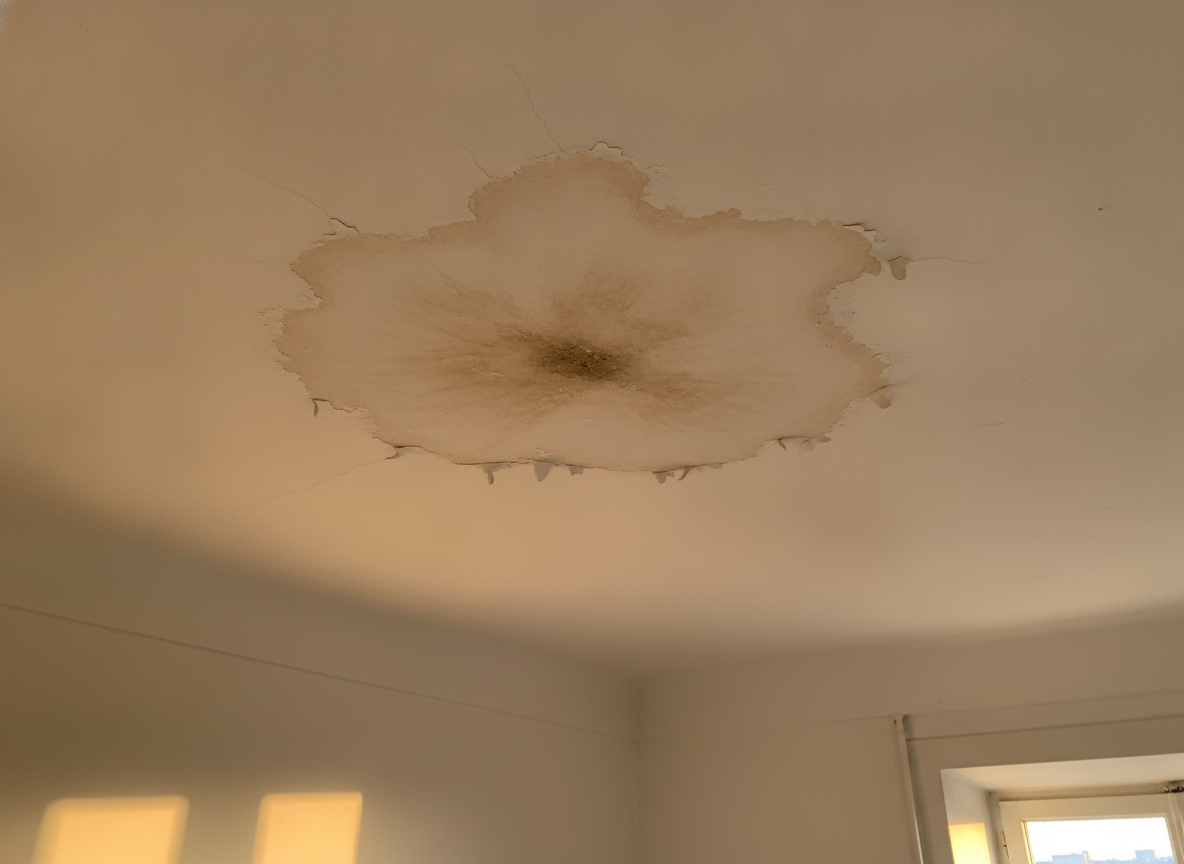
Mold growth is associated with moisture, so the history of a space matters. A past leak, recurring condensation, or repeated dampness can provide context for an inspection. It is useful to distinguish a one-time event from a condition that keeps returning.
Before contacting an inspector, gather observations you already have. Note when the concern first appeared, whether it changes after rain or water use, and whether the area has previously been cleaned or repaired. You do not need to identify the mold yourself; describing the circumstances helps frame the discussion.
Results need to be read within their scope
Testing is most useful when there is a clear reason for collecting a sample. Results relate to the material or conditions sampled, the collection method, and the location and time of collection. They should not be treated as a blanket statement about every room or concealed area.
A useful discussion of findings connects the testing question with the observations and results. Before booking, ask what documentation is included and how the findings will be explained. If you need information for a particular decision, mention that purpose at the outset so you can discuss whether the proposed scope addresses it.
Inspection and testing investigate conditions; they are not the same as mold removal or moisture repair.
Choose the service that matches your concern
Red Leaf Asbestos Testing And Consulting offers Mold Inspection & Testing. If mold is the issue you want investigated, ask about that service directly and describe the situation rather than trying to select a sampling approach yourself.
A focused conversation before booking can help you compare the proposed work with your needs. Confirm the areas to be considered, what testing is proposed, what the price includes, and when you can expect findings. These details matter more than assuming every inspection follows an identical package.
Questions before you book
Do I need testing if I can already see suspected mold?
Visible growth and testing address different questions. Whether sampling adds useful information depends on what needs to be established. Describe what you see and ask what an inspection or testing would clarify.
How much will inspection and testing cost?
Ask for pricing based on your particular concern and the proposed scope. Confirm what is included before authorizing the work, including any sampling and documentation.
How soon will I receive results?
Confirm scheduling and the expected timing of findings before booking. Inspection observations and results that require laboratory analysis may follow different timelines.
Will testing tell me whether symptoms are caused by mold?
Environmental testing is not a medical diagnosis. If you have health concerns, discuss symptoms with a qualified healthcare professional and keep that discussion separate from evaluating property conditions.
Talk through your mold concern
Contact Red Leaf Asbestos Testing And Consulting to discuss Mold Inspection & Testing. Share what you have noticed, where it is occurring, and what you need to understand before taking your next step.
Areas we serve
- ● Orange County
- ● Aliso Viejo
- ● Anaheim
- ● Brea
- ● Buena Park
- ● Costa Mesa
- ● Cypress
- ● Dana Point
- ● Fountain Valley
- ● Fullerton
- ● Garden Grove
- ● Huntington Beach
- ● Irvine
- ● La Habra
- ● La Palma
- ● Laguna Beach
- ● Laguna Hills
- ● Laguna Niguel
- ● Laguna Woods
- ● Lake Forest
- ● Los Alamitos
- ● Mission Viejo
- ● Newport Beach
- ● Orange
- ● Placentia
- ● Rancho Santa Margarita
- ● San Clemente
- ● San Juan Capistrano
- ● Santa Ana
- ● Seal Beach
- ● Stanton
- ● Tustin
- ● Villa Park
- ● Westminster
- ● Yorba Linda