

Chemical & Volatile Compound Testing
When a chemical concern leaves you unsure what to do next, start with a focused question about what needs testing.
- ✓ Serving Orange County, Aliso Viejo, Anaheim and 32 more areas
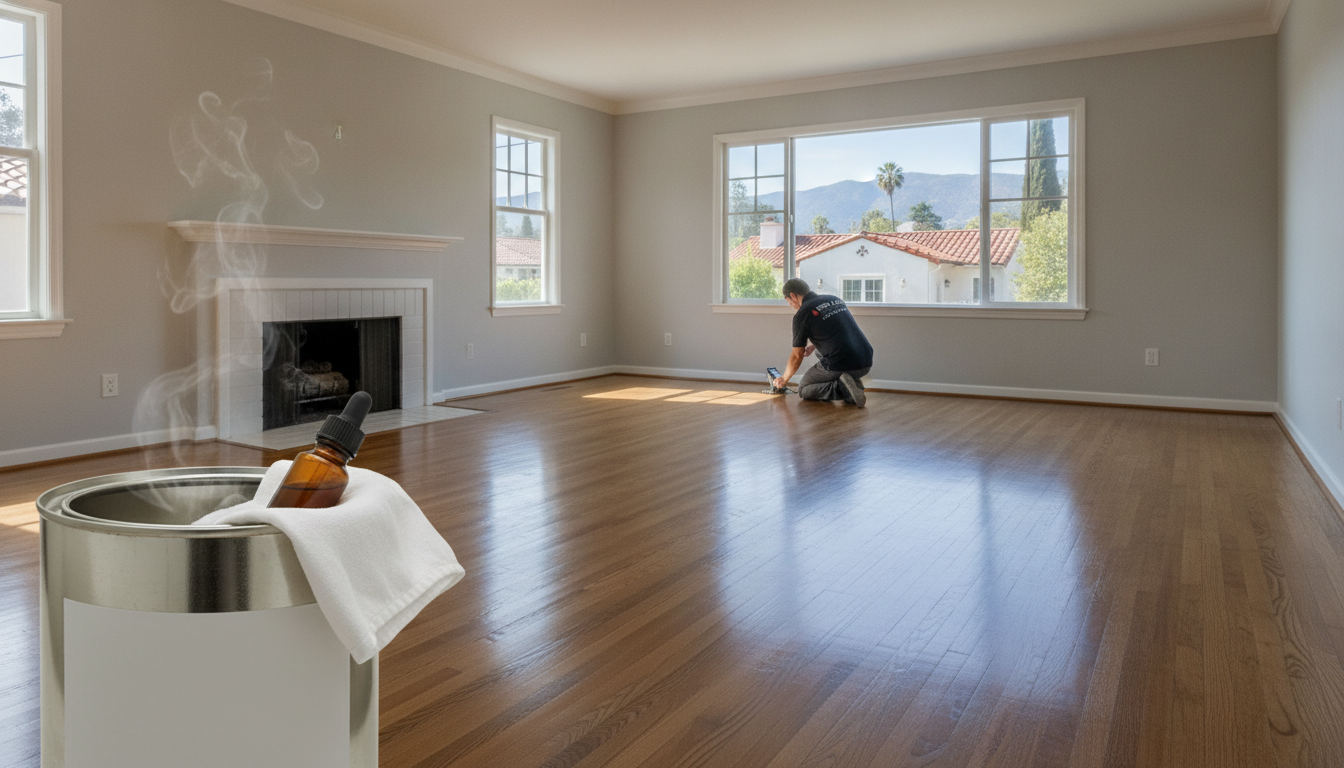
Start with the concern, not a test name
Chemical testing is most useful when it addresses a specific question. You may be concerned about an unfamiliar odor, a suspected chemical source, or conditions following work on a property. Those concerns provide a starting point, but they do not identify a substance or establish an exposure level on their own.
Before requesting testing, describe what prompted your concern, where you noticed it, and whether it is continuous or intermittent. Include any relevant product names or information about recent activities. A clear description helps frame the discussion around your situation rather than an undefined search for “everything.”
The substances and sample must match the question
“Chemical” is a broad category. Volatile compounds are substances that can readily enter the air as gases or vapors. A chemical testing question therefore needs more definition than simply whether chemicals are present.
The substances of interest, the material or environment being evaluated, and the purpose of the investigation all affect which testing approach is appropriate. No single test answers every possible chemical concern. When discussing your project, ask which substances the proposed analysis would address and whether that scope matches the question you need answered.
Timing and conditions affect what results mean
A sample represents particular conditions at a particular time. If your concern comes and goes, the timing of testing can matter. Changes in activities, ventilation, or the suspected source may also affect the conditions being evaluated.
Keep a straightforward record of when and where you notice the issue. Describe observations without treating them as a diagnosis: an odor alone does not establish chemical identity, concentration, or safety. That distinction helps keep the testing discussion focused on evidence rather than assumptions.
A result needs context before it guides a decision
Testing results should be read in relation to the substances analyzed, the sample collected, and the limits of the analytical method. A substance reported as not detected is not the same as proof that no chemical substances are present.
Likewise, detecting a substance does not, by itself, establish its source or determine a health risk. The practical question is what the result answers—and what further questions remain. Before proceeding, discuss what you need to decide so the proposed scope can be considered against that goal.
Discuss your project with Red Leaf
Red Leaf Asbestos Testing And Consulting provides Chemical & Volatile Compound Testing. If you are responsible for a property or are investigating a chemical concern, contact the business to discuss the question you need addressed.
Bring any relevant observations, product information, and project requirements to that conversation. Ask about the proposed scope, what the testing would evaluate, and how it relates to your intended decision before authorizing work.
Questions before arranging testing
Does an unusual smell mean testing is needed?
An odor is an observation, not a chemical identification. Describe its location, timing, and any suspected connection to products or activities when discussing whether testing fits your concern.
Can one test check for every chemical?
No single analysis covers every substance. Ask which compounds a proposed test addresses and how that selection relates to your situation.
What should I prepare before contacting you?
Gather a description of the concern, when it occurs, relevant product information, and the decision you hope testing will support. Share any existing documentation relevant to that question.
What should I ask before approving the work?
Ask about the testing scope, cost, expected timing, and how results will be provided. Make sure the proposed work addresses your concern before proceeding.
Take the next step with a focused testing question
Contact Red Leaf Asbestos Testing And Consulting to discuss Chemical & Volatile Compound Testing and the concern you want to investigate.
Areas we serve
- ● Orange County
- ● Aliso Viejo
- ● Anaheim
- ● Brea
- ● Buena Park
- ● Costa Mesa
- ● Cypress
- ● Dana Point
- ● Fountain Valley
- ● Fullerton
- ● Garden Grove
- ● Huntington Beach
- ● Irvine
- ● La Habra
- ● La Palma
- ● Laguna Beach
- ● Laguna Hills
- ● Laguna Niguel
- ● Laguna Woods
- ● Lake Forest
- ● Los Alamitos
- ● Mission Viejo
- ● Newport Beach
- ● Orange
- ● Placentia
- ● Rancho Santa Margarita
- ● San Clemente
- ● San Juan Capistrano
- ● Santa Ana
- ● Seal Beach
- ● Stanton
- ● Tustin
- ● Villa Park
- ● Westminster
- ● Yorba Linda