
Lead & Heavy Metals Analysis
When lead or other metals are a concern, analysis can replace assumptions with measurements that support your next decision.
- ✓ Serving Orange County, Aliso Viejo, Anaheim and 32 more areas

Start with the question you need answered
Lead and heavy metals analysis examines a sample for selected metals. Depending on the purpose and method, testing may identify whether a target metal is present or measure its concentration. The useful starting point is not simply “test for everything,” but “what decision does this testing need to support?”
You may be investigating a suspected source, evaluating a material before work begins, or seeking information for a property-related decision. Those situations can call for different testing approaches. Explaining your concern at the outset helps frame the questions to discuss before arranging analysis.
The sample and the target metals shape the work
“Heavy metals” describes a group of substances, not one universal test. A request for lead analysis is different from a request to investigate several metals. The material being evaluated, the suspected source, and the intended use of the findings all matter when defining the scope.
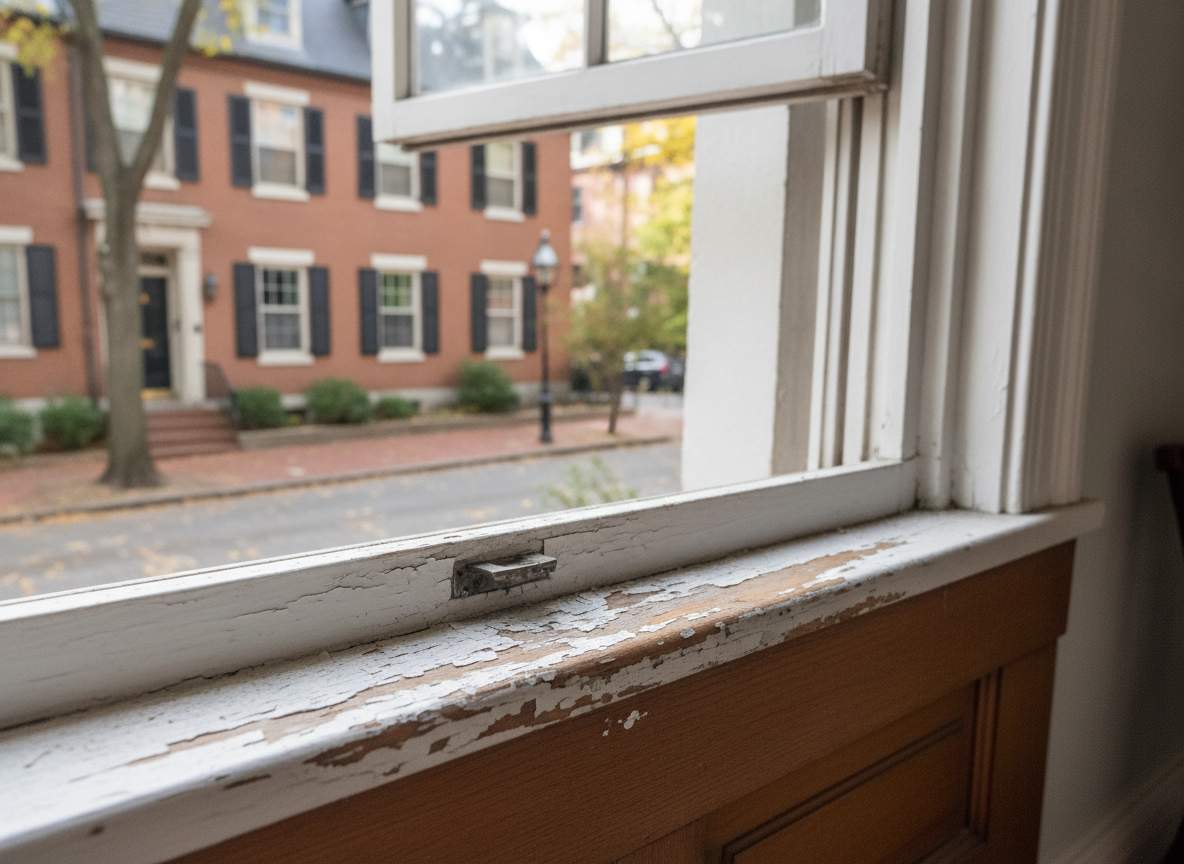
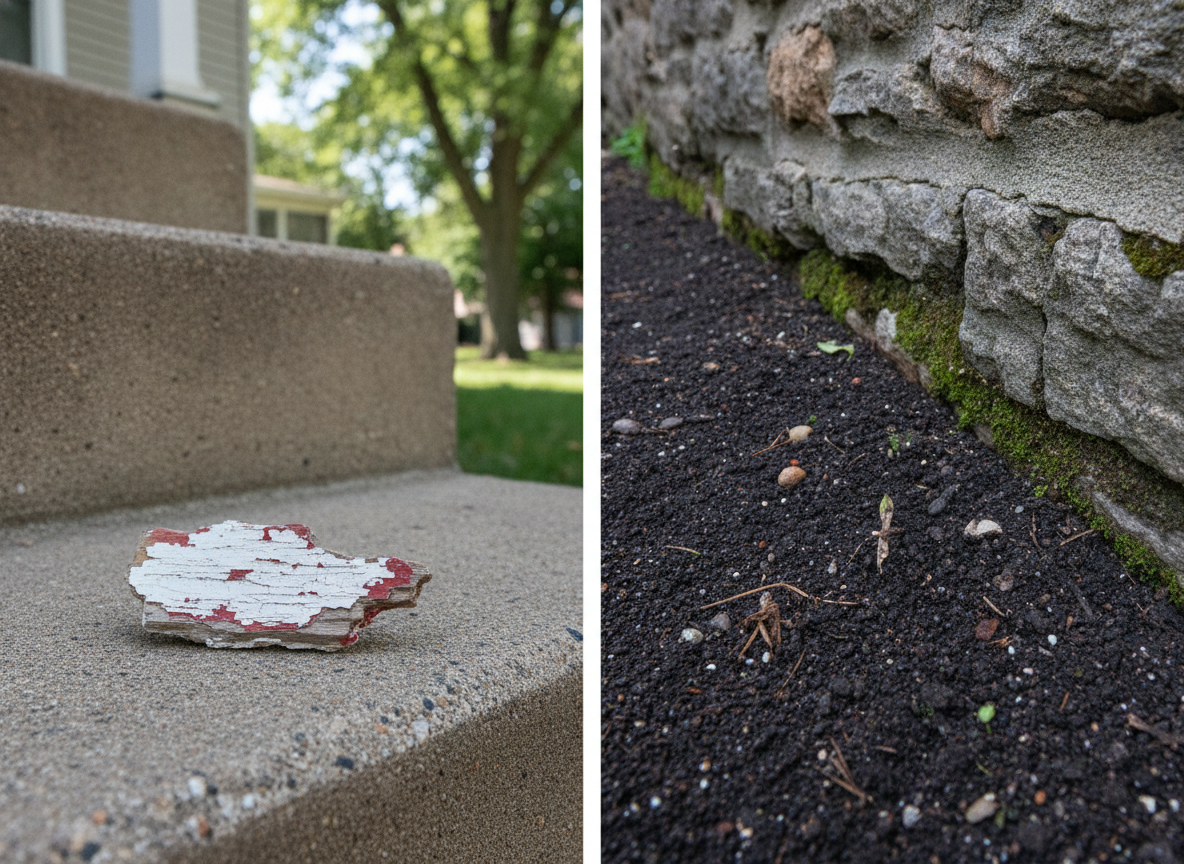
Sampling matters, too. A result describes the sample examined; it does not automatically describe every surface, material, or location around it. Before collecting or submitting anything, discuss what needs to be evaluated and how a sample should be obtained. That conversation can help avoid testing something that does not answer your original question.
A measurement needs context before it guides action
A concentration is a measurement, not a complete recommendation by itself. Understanding its significance may require knowing the sample type, units, analytical method, and any comparison criteria relevant to the situation. A number should be read in that context rather than treated as a stand-alone pass or fail.
Likewise, a result reported below a method’s detection or reporting limit does not necessarily mean a substance is entirely absent. If your decision depends on detecting very low concentrations, raise that requirement before testing so the suitability of the approach can be discussed.
Choose capabilities that fit your question
Red Leaf Asbestos Testing And Consulting offers Lead & Heavy Metals Analysis, alongside EPA-Compliant Lead Risk Management, Real-Time XRF Field Analysis, and High-Precision ICP-MS Lab Testing.
Field measurements and laboratory analysis can serve different purposes; they should not be assumed to be interchangeable for every material or decision. Ask which approach is relevant to your concern and what its findings can establish. Matching the question to the analytical approach is more useful than choosing a method by name alone.
Prepare for a focused testing conversation
You do not need to arrive with a fully defined testing plan. Start with what prompted your concern, what you want evaluated, and the decision you need to make afterward. Existing documentation or a specific project requirement may also help frame the discussion.
If there is a deadline, mention it before arranging the work. Clarifying the scope, timing, and intended use of results early gives you a better basis for deciding how to proceed.
Questions before arranging analysis
Can I request testing for lead only?
Lead & Heavy Metals Analysis is an offered service. Identify lead as your concern when contacting the business, and discuss whether a lead-focused scope addresses your question.
What materials can be tested?
Describe the material you want evaluated before collecting a sample. Suitable analytical methods and sampling requirements vary by material and by the metals being investigated.
How much will the analysis cost, and how long will it take?
Request a quote and timing for your particular scope. Be ready to explain the material, the metals of concern, the number of items or locations involved, and any deadline.
Will a result tell me what to do next?
Results can inform a decision, but their meaning depends on context. Explain the decision you are facing and ask what interpretation or follow-up guidance is included.
Discuss your lead or heavy metals concern
Contact Red Leaf Asbestos Testing And Consulting to discuss Lead & Heavy Metals Analysis. Share what prompted your concern, what you need evaluated, and any deadline so you can discuss an appropriate scope and request pricing.
Areas we serve
- ● Orange County
- ● Aliso Viejo
- ● Anaheim
- ● Brea
- ● Buena Park
- ● Costa Mesa
- ● Cypress
- ● Dana Point
- ● Fountain Valley
- ● Fullerton
- ● Garden Grove
- ● Huntington Beach
- ● Irvine
- ● La Habra
- ● La Palma
- ● Laguna Beach
- ● Laguna Hills
- ● Laguna Niguel
- ● Laguna Woods
- ● Lake Forest
- ● Los Alamitos
- ● Mission Viejo
- ● Newport Beach
- ● Orange
- ● Placentia
- ● Rancho Santa Margarita
- ● San Clemente
- ● San Juan Capistrano
- ● Santa Ana
- ● Seal Beach
- ● Stanton
- ● Tustin
- ● Villa Park
- ● Westminster
- ● Yorba Linda