

Soil & Groundwater Testing
Before making decisions about land or groundwater, consider what testing could tell you about the conditions you need to understand.
- ✓ Serving Orange County, Aliso Viejo, Anaheim and 32 more areas

Start with the question your testing needs to answer
Soil and groundwater testing examines selected characteristics of soil or water beneath the ground. Its usefulness depends on matching the testing scope to the question—not simply ordering a test without knowing what the results need to establish.
You may be considering testing before a property decision, while planning construction, or because you have concerns about possible contamination. These situations can call for different information. Explain what prompted your concern and how you intend to use the findings when discussing your request with Red Leaf Asbestos Testing And Consulting.
Soil and groundwater are different testing subjects
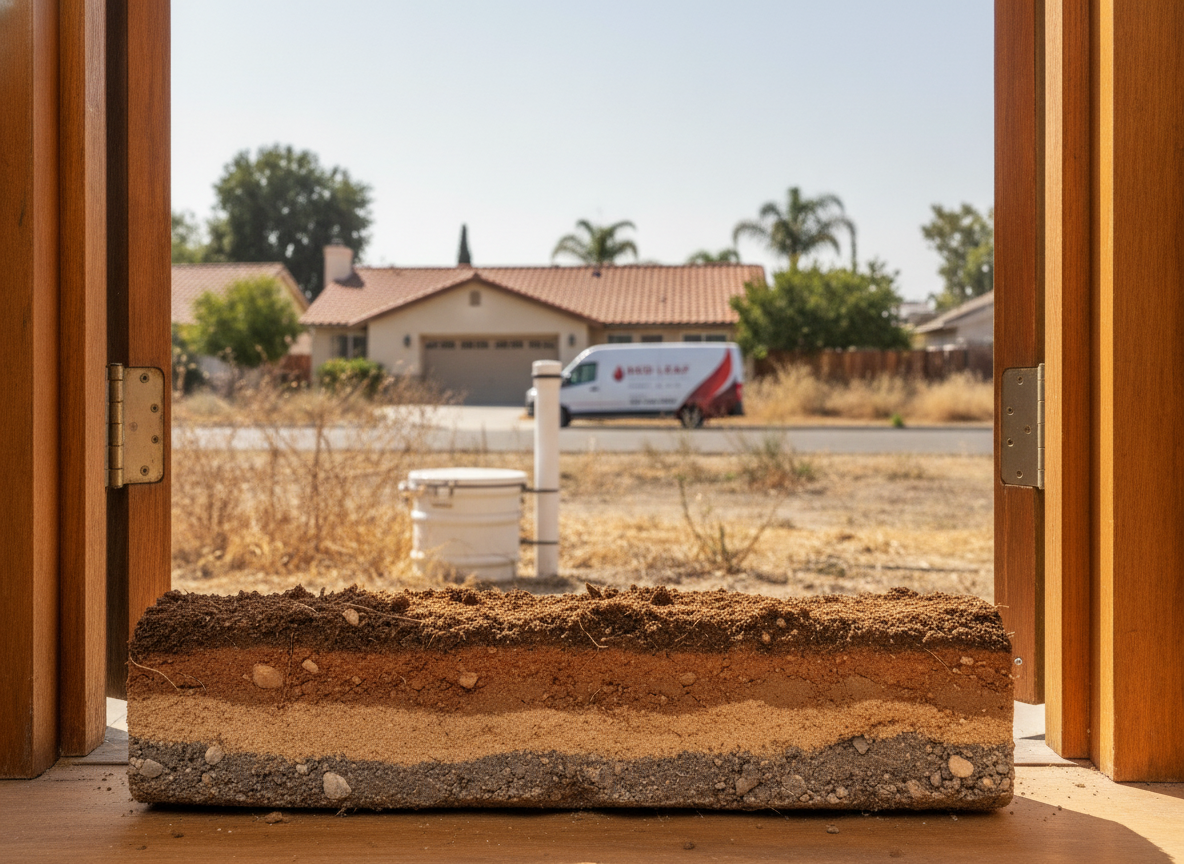
Soil testing concerns material collected from the ground. Groundwater testing concerns water below the ground’s surface. Although a project may raise questions about both, testing one does not automatically answer questions about the other.
Location, depth and the substances selected for analysis can affect what a testing program tells you. A useful starting point is to identify the area of concern and any relevant information about the site’s past use. You do not need to diagnose the issue yourself; describe what you know and ask what further information is needed to define the work.
A useful scope connects the concern to the analysis
Testing is not a single universal check for every possible substance. The analysis needs to address the concern being investigated. Before authorizing work, ask which substances or characteristics will be evaluated and why they are relevant to your question.
Sampling arrangements also deserve attention. Where samples come from, how they are collected and how they are handled can matter to the interpretation of results. Ask for an explanation of the proposed scope, including any access requirements and limitations, rather than assuming every testing request involves the same work.
Results need context before they guide a decision
A result describes the sample analyzed within the scope of the testing performed. It should not automatically be treated as a conclusion about an entire property or every possible environmental concern.
Depending on your purpose, findings may need to be considered alongside site history, sampling locations or applicable comparison criteria. If another party will use the results, ask that party about its requirements before arranging testing. This can help you frame the request around the decision you actually need to make.
Discuss soil and groundwater concerns with Red Leaf
Red Leaf Asbestos Testing And Consulting offers Soil & Groundwater Testing. The business also offers Pre-Construction Analysis, which may be relevant when your testing inquiry relates to planned work.
For a productive conversation, describe the property, the concern and any deadline connected to your decision. Ask about the proposed testing scope, deliverables and costs before proceeding. These questions help establish expectations without assuming that every site needs the same approach.
Questions to ask before arranging testing
Do I need soil testing, groundwater testing or both?
That depends on the question you need answered. Describe the concern and ask which type of testing would address it; neither should be assumed to substitute for the other.
What should I have ready when I inquire?
Have the property location, your reason for testing and any relevant site records available. Mention any access restrictions or requirements from a party that will review the results.
How much will testing cost, and how long will it take?
Request pricing and timing for your particular scope. Confirm what the quoted work includes and when you can expect the agreed deliverables.
Will testing tell me what to do next?
Testing can inform a decision, but its scope matters. Ask how the findings will be presented and whether your intended use calls for additional interpretation.
Talk through your testing needs
Contact Red Leaf Asbestos Testing And Consulting to discuss Soil & Groundwater Testing. Share your concern and the decision ahead, and ask about scope, pricing and timing before arranging the work.

Areas we serve
- ● Orange County
- ● Aliso Viejo
- ● Anaheim
- ● Brea
- ● Buena Park
- ● Costa Mesa
- ● Cypress
- ● Dana Point
- ● Fountain Valley
- ● Fullerton
- ● Garden Grove
- ● Huntington Beach
- ● Irvine
- ● La Habra
- ● La Palma
- ● Laguna Beach
- ● Laguna Hills
- ● Laguna Niguel
- ● Laguna Woods
- ● Lake Forest
- ● Los Alamitos
- ● Mission Viejo
- ● Newport Beach
- ● Orange
- ● Placentia
- ● Rancho Santa Margarita
- ● San Clemente
- ● San Juan Capistrano
- ● Santa Ana
- ● Seal Beach
- ● Stanton
- ● Tustin
- ● Villa Park
- ● Westminster
- ● Yorba Linda