

Water Testing & Certification: Common Mistakes to Avoid
- ✓ Serving Orange County, Aliso Viejo, Anaheim and 32 more areas
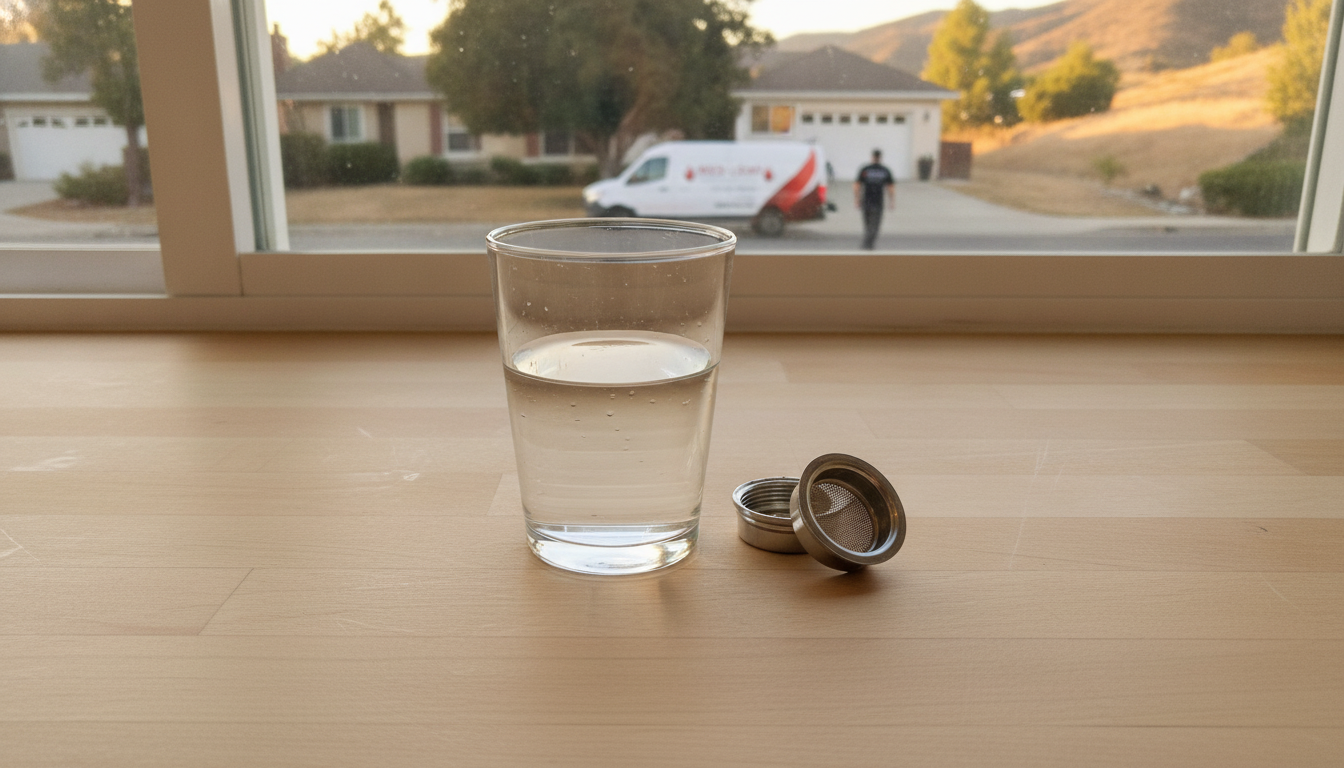
A common mistake is asking for “water testing” without explaining the question you need answered or what the certification is for. A better next step is to describe your concern, identify any documentation you have been asked to provide, and discuss the scope before arranging testing. Use the guide below to prepare a focused request without making assumptions about the testing, collection process, or paperwork.
1. Asking for a test before defining your question
Start with what prompted your enquiry, rather than trying to choose a test by name. Are you responding to a request for documentation, investigating a particular concern, or trying to understand what Water Testing & Certification would involve? Put that purpose into a sentence you can share when you contact the business.
For example: “I need water testing because [reason], and I want to find out [question].” If someone has requested certification, add who requested it and share their written instructions. This gives the discussion a specific starting point without requiring you to decide the technical scope yourself.
Keep your observations separate from your conclusions. Describe what you have noticed or been told, but frame any suspected explanation as a question. Your initial enquiry should communicate the concern—not attempt to settle it before testing has been discussed.
2. Treating “certification” as a complete instruction
If you have been asked to obtain water certification, avoid stopping at that word. Ask the person or organisation requesting it to provide their requirements in writing, then bring those instructions to your testing enquiry. Rather than interpreting the request yourself, ask what work and documentation would address it.
Useful questions include: What exactly must be submitted? Who will review it? Is there a named requirement or form? Is there a submission deadline? These are questions to resolve before committing to a plan, not details to guess from the phrase “water certification.”
Start with the requirement you need to address, then ask what testing and documentation would match that purpose.
When discussing the service, request a clear explanation of the proposed deliverable. Ask what you would receive and how it relates to the instructions you supplied. Avoid treating a service name as a substitute for that conversation.
3. Collecting water before asking for instructions
Resist the urge to collect water simply so you have something ready. First, ask how collection should be handled for the proposed work, including whether you should collect anything yourself. Leave decisions about containers, collection points, handling, and delivery until you have instructions for your enquiry.
Prepare your questions in a practical order:
- Confirm the scope — Explain the purpose and ask what testing is proposed.
- Clarify collection responsibility — Ask who should collect the water and what arrangements are needed.
- Request instructions — Ask for any preparation, collection, handling, or delivery directions that apply.
- Check the handoff — Confirm what information or paperwork should accompany the collection.
If you have already collected water, explain what you did and ask how to proceed. Do not assume that the next step is to deliver it, and do not attempt to correct the collection process without guidance.
4. Leaving practical questions until the last minute
Bring scheduling, cost, and documentation questions into the first discussion. If you have a deadline, state the actual date and explain what must happen by then. Ask about the proposed schedule rather than assuming that booking, collection, testing, and documentation will all fit your timeframe.
Before agreeing to proceed, work through a short checklist:
- ✓ Explain the purpose of the testing.
- ✓ Share any written certification requirements.
- ✓ Ask what the proposed scope includes.
- ✓ Request pricing and scheduling details.
- ✓ Confirm collection arrangements and your responsibilities.
- ✓ Ask what documentation you will receive.
Treat this as an enquiry checklist, not a technical testing protocol. Its purpose is to help you understand the proposed work and identify questions you still need answered before making arrangements.
5. Moving on without discussing the findings
Plan your follow-up questions before the work begins. Ask how you should raise questions about the findings and what explanation accompanies the documentation. When reviewing the material, return to your original purpose: what question did you ask, and what does the documentation say in response?
Avoid extending a conclusion beyond the wording you have received. If you need to understand whether a finding addresses another concern, ask that question directly. Likewise, if a requesting organisation needs further information, share its exact request rather than trying to translate it into a new testing instruction yourself.
Keep the original request, agreed scope, collection instructions, and resulting documentation together. Use those materials as the reference point for follow-up conversations, especially when asking how the completed work relates to the purpose you described at the start.
Frequently Asked Questions
What should I have ready when I enquire?
Prepare a brief description of your concern, the question you want answered, any written requirements, and your deadline if you have one. Ask what additional information is needed before arranging the work.
Should I collect a water sample first?
Ask for collection instructions before collecting anything. Clarify who should handle collection and what directions apply to the proposed testing. If you have already collected water, describe that collection and request guidance.
How do I ask for the right certification?
Share the requesting party’s written requirements and ask how the proposed service and documentation would address them. Request clarification of unfamiliar wording rather than choosing a scope based on the word “certification” alone.
Does Red Leaf Asbestos Testing And Consulting offer this service?
Yes. Red Leaf Asbestos Testing And Consulting offers Water Testing & Certification and serves Orange County, including Irvine, Anaheim, Newport Beach, and the other communities in its service area.
For help with Water Testing & Certification, call Red Leaf Asbestos Testing And Consulting at 949-408-0651 or email redleafirvine@gmail.com to discuss your purpose and next steps.


Areas we serve
- ● Orange County
- ● Aliso Viejo
- ● Anaheim
- ● Brea
- ● Buena Park
- ● Costa Mesa
- ● Cypress
- ● Dana Point
- ● Fountain Valley
- ● Fullerton
- ● Garden Grove
- ● Huntington Beach
- ● Irvine
- ● La Habra
- ● La Palma
- ● Laguna Beach
- ● Laguna Hills
- ● Laguna Niguel
- ● Laguna Woods
- ● Lake Forest
- ● Los Alamitos
- ● Mission Viejo
- ● Newport Beach
- ● Orange
- ● Placentia
- ● Rancho Santa Margarita
- ● San Clemente
- ● San Juan Capistrano
- ● Santa Ana
- ● Seal Beach
- ● Stanton
- ● Tustin
- ● Villa Park
- ● Westminster
- ● Yorba Linda